
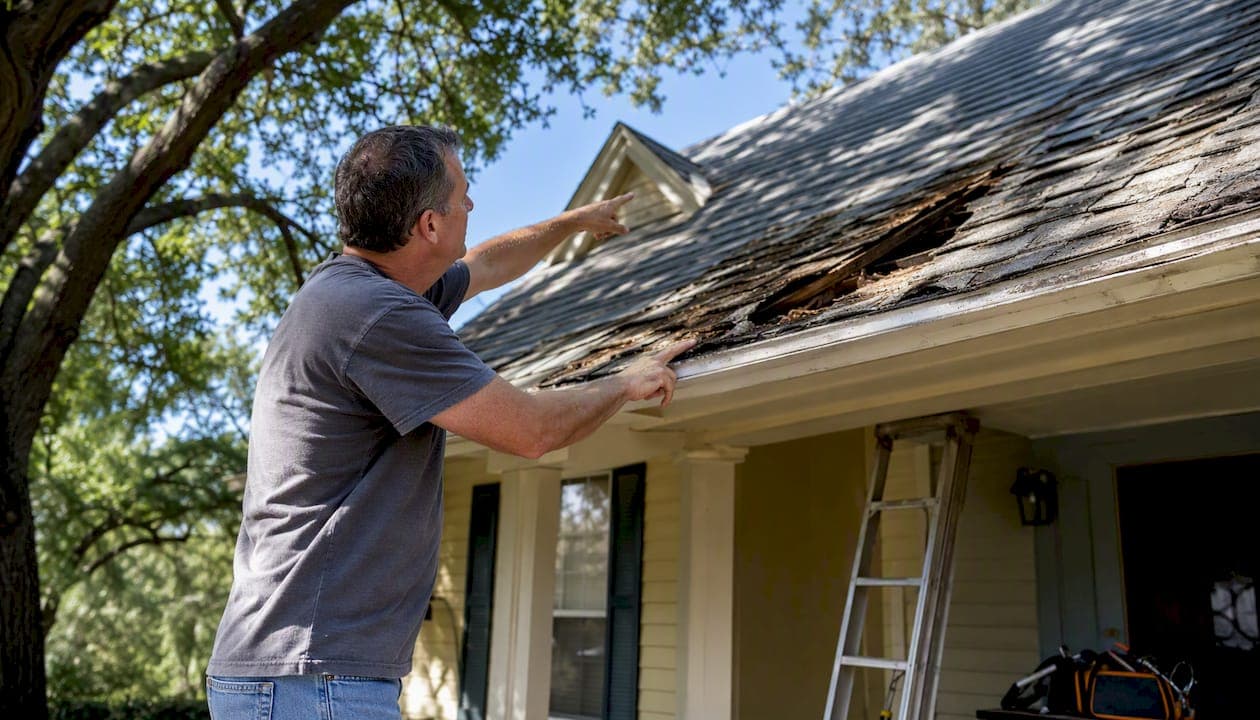
Building Code Upgrade Coverage: What Louisiana Homeowners Must Know
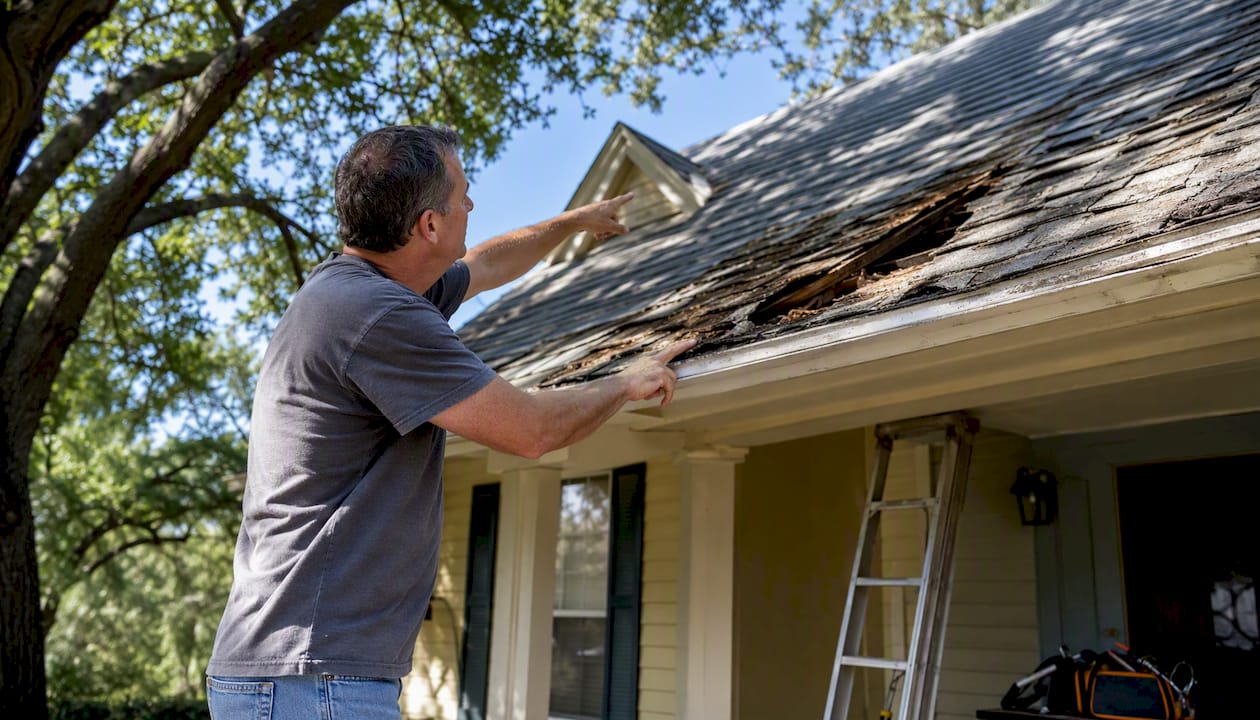
Building code upgrade coverage, the industry term is ordinance or law coverage, is a homeowners insurance endorsement that pays the extra cost to repair or rebuild your home to current building codes after a covered loss. Standard homeowners policies replace damaged property to its pre-loss condition and do not pay the additional cost to meet current codes unless you add this endorsement. If your home is older and you do not have it, you may be carrying a significant uninsured gap.
Your immediate next step: pull out your declarations page and look for an endorsement labeled “Ordinance or Law” or “Building Code Upgrade.” Note the percentage shown. If you do not see it, or if the percentage looks low for your home’s age, call your agent before the next storm season.
Pro Tip: Look for the endorsement on page 2 or 3 of your declarations page, often listed under “Additional Coverages” or “Endorsements.” The percentage next to it is the dollar ceiling for all code-mandated work after a covered loss.
- Check your declarations page for “Ordinance or Law” or “Building Code Upgrade” language.
- Note the endorsement percentage and multiply it by your dwelling limit to see your actual dollar coverage.
- If the endorsement is missing or the percentage feels low, contact your agent for a policy review.
Key Takeaways
Ordinance or law coverage is the single most overlooked endorsement on Louisiana homeowners policies, and for homes built before 1990, the financial exposure from skipping it can exceed $75,000 after a major loss.
| Point | Details |
|---|---|
| What the coverage is | An endorsement that pays the extra cost to rebuild to current codes after a covered loss, not included in standard policies. |
| Endorsement components | Coverage A (damaged portion), Coverage B (demolition of undamaged portions), Coverage C (rebuilding undamaged portions to code). |
| Typical limits and premiums | 10%–50% of dwelling limit; premiums commonly run $50–$250 per year for a single-family home. |
| Claim timing risk | Some endorsements include perform-by timing limits for completing code upgrade work; missing such deadlines can risk loss of coverage for those costs. |
| The Root Agency next step | Call (225) 926-0160 or visit steverootagency.com for a policy review that confirms your endorsement percentage and flood ordinance gap. |
Table of Contents
- How the ordinance-or-law endorsement actually works
- When does building code upgrade coverage actually apply?
- What ordinance or law coverage typically pays for, and what it does not
- How limits, sublimits, and premiums work in practice
- Common claim pitfalls and the timing traps that cost homeowners money
- Is ordinance or law coverage worth buying for Louisiana homeowners?
- What Louisiana homeowners specifically need to watch for
- How to add or confirm ordinance or law coverage on your policy
- What 20 years of Louisiana claims experience tells me about this coverage
- The Root Agency is ready to review your coverage today
- Sources
How the ordinance-or-law endorsement actually works
The endorsement applies only when a covered loss triggers code requirements, and it divides into three standard components that insurers commonly label Coverage A, Coverage B, and Coverage C.
-
Coverage A: Increased cost to repair the damaged portion. When your insurer pays to fix the part of your home that was physically damaged, Coverage A covers the extra cost to bring that specific work up to current code. If your 1978 electrical panel was destroyed by fire and code now requires a 200-amp service with arc-fault breakers, Coverage A absorbs that difference.
-
Coverage B: Demolition and removal of undamaged portions. Some parishes and municipalities require that if damage exceeds a threshold percentage of the home’s value, the entire structure must be torn down and rebuilt to current code, not just the damaged section. Coverage B pays for demolishing and hauling away the undamaged portions you would otherwise have kept.
-
Coverage C: Increased construction cost for undamaged portions. Once the undamaged portion is demolished, rebuilding it to current code costs more than restoring it as it was. Coverage C covers that gap.
The sublimit for all three components combined is the endorsement percentage applied to your dwelling limit, which limits the dollar amount available for all code-mandated work. That sounds like a lot until a contractor hands you a quote for new plumbing, a reinforced foundation, and a full electrical upgrade.
A concrete example: A 1975 ranch home in Baton Rouge sustains $120,000 in wind damage. The adjuster scopes $120,000 to restore the damaged portion as it was. But the building department issues a permit requiring updated wiring, a new HVAC system to current energy code, and reinforced roof-to-wall connections under Louisiana’s post-Katrina hurricane retrofit standards. The contractor’s revised estimate: $162,000. Without the ordinance endorsement, the homeowner owes the difference out of pocket; the endorsement limit caps the amount available to cover that gap.
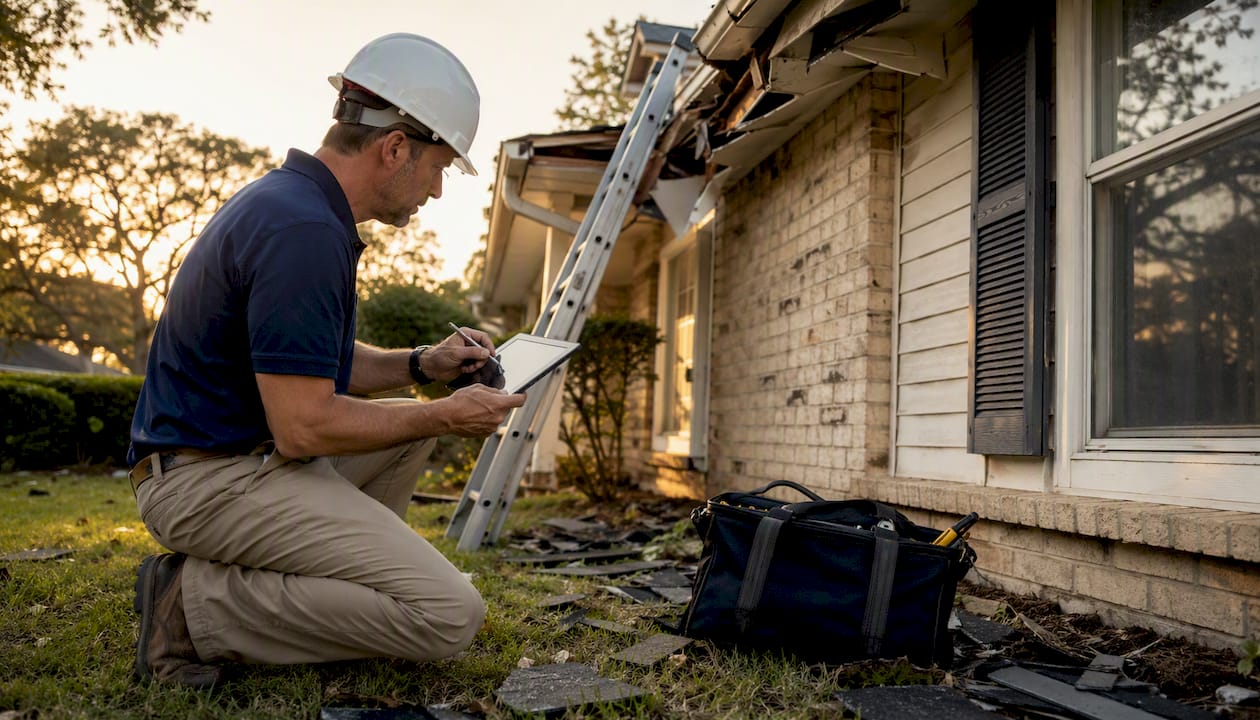
When does building code upgrade coverage actually apply?
The endorsement does not activate every time you file a claim. Three conditions must align.
- A covered peril caused the loss. The damage must stem from a peril your policy covers, such as wind, fire, or hail. A flood loss under a standard homeowners policy is not a covered peril, so the ordinance endorsement on that policy will not respond. Flood losses are typically excluded from standard homeowners policy endorsements; you need a separate flood policy, and even then, check whether that flood policy carries its own ordinance component.
- The building department enforces the code. The controlling code is the one in force at the time of loss, not when the home was built. Permits and inspections are the normal enforcement mechanism; a stop-work order or permit condition requiring upgraded work is what formally triggers the endorsement.
- The code requirement is mandatory, not elective. If you choose to upgrade your kitchen while repairing storm damage, that is a voluntary renovation. The endorsement does not pay for improvements you wanted anyway.
Percentage thresholds matter locally. Many parishes and municipalities apply a “substantial damage” rule: if repair costs exceed a set percentage of the home’s pre-loss value, the entire structure must be brought to current code. That threshold varies by jurisdiction. Knowing your parish’s specific trigger is a local lookup item worth running with your agent before you need it.
Pro Tip: If your home sustained flood damage, check your flood insurance policy for a separate ordinance or law component. Many NFIP and private flood policies include one, but the limits are often low and the conditions differ from your homeowners endorsement.
What ordinance or law coverage typically pays for, and what it does not
Claims guidance and adjuster resources identify the most common code upgrade work items that trigger additional costs during a rebuild. Knowing this list helps you evaluate whether your current endorsement limit is adequate.
Commonly covered code-mandated items:
- Electrical panel upgrades and arc-fault or ground-fault circuit interrupter (GFCI) wiring
- Plumbing replacement to current materials and pressure standards
- HVAC systems brought to current energy efficiency codes
- Structural reinforcements: roof-to-wall connections, hurricane straps, shear walls
- Fire sprinkler systems when required by occupancy or size thresholds
- Foundation work required by updated load or flood elevation standards
- Asbestos or lead-based paint abatement when disturbed during permitted repair work
- ADA or accessibility modifications when a rebuild changes occupancy or public access
Common exclusions homeowners often assume are covered:
- Voluntary renovations done during a repair but not required by code
- Pre-loss code deficiencies that existed before the covered loss and were not triggered by it
- Flood damage under a standard homeowners policy endorsement (a separate flood policy is required)
- Personal property and contents (the endorsement covers structure only)
- Work required solely because of a municipal variance or zoning change unrelated to the covered loss
The practical distinction: if the building department would have let you rebuild it the old way without a permit, the endorsement probably does not apply. If the permit requires the upgrade as a condition of approval, it likely does.
| Coverage Category | Typically Covered | Typically Excluded |
|---|---|---|
| Electrical | Panel upgrades, GFCI wiring required by code | Elective smart-home wiring |
| Plumbing | Pipe replacement to current standards | Fixture upgrades chosen by owner |
| Structural | Hurricane straps, shear walls, foundation per code | Additions not required by permit |
| Hazardous materials | Asbestos/lead abatement when disturbed | Pre-loss abatement not triggered by claim |
| Flood elevation | Elevation required by post-loss permit | Voluntary elevation for resale value |
How limits, sublimits, and premiums work in practice
Most insurers offer ordinance or law coverage as a percentage of the dwelling limit, commonly ranging from 10% to 50%, and premiums for the endorsement typically run roughly $50–$250 per year for a single-family home. The right percentage depends on your home’s age, construction type, and local code environment.
Here is how the math works at common endorsement levels:
For a home built before 1980, a 10% endorsement is almost certainly too low. A full electrical, plumbing, and structural upgrade on a 1,800-square-foot home in Louisiana can easily run $60,000–$100,000 before any cosmetic work. Guidance ties recommended endorsement percentages to home age: for homes built before 1980, consider 25% or more of the dwelling limit, while newer construction may carry lower percentages without the same exposure.
Premium factors that push the cost higher include: older home construction, location in a high-wind or flood zone, strict local code enforcement history, and a dwelling limit above $400,000. For most Louisiana homeowners, adding or increasing the endorsement costs less per year than a single dinner out. The out-of-pocket exposure it prevents can reach six figures.
The Insurance Information Institute recommends evaluating coverage limits and endorsements against local rebuilding costs and exposures so homeowners do not underinsure for code upgrade risk. Many homeowners discover this gap only when they are standing in the rubble.
Common claim pitfalls and the timing traps that cost homeowners money
Filing a code upgrade claim is not automatic. Insurers scrutinize these claims closely, and several procedural traps can reduce or eliminate your recovery.
The most common pitfalls:
- Adjuster scope that ignores undamaged portions. Adjusters often scope only the physically damaged area and miss the Coverage B and C exposure entirely. If your parish requires a whole-house upgrade because damage exceeded the threshold, that must be in the scope from the start.
- “Like kind and quality” defenses. Some insurers argue they owe only the cost to restore the home as it was, not to upgrade it. The ordinance endorsement is specifically designed to counter this, but you need it in writing on your policy.
- Two-year perform-by limits. Court decisions show that perform-by timing clauses are enforceable; some endorsements require the code upgrade work to be completed within two years of the loss date or the insurer can deny the additional cost. Do not let a slow rebuild or contractor delays push you past that window without checking your endorsement language.
- Proof-of-actual-work requirements. Courts have held that insureds must document the specific code requirement and show the work was actually required and performed to recover under the endorsement. An estimate alone is not enough.
Your procedural checklist:
- Obtain a licensed contractor’s itemized estimate that separates code-required work from standard restoration.
- Request the building department’s written permit conditions or stop-work order that specifies the required upgrades.
- Keep all demolition invoices, especially for undamaged portions removed under Coverage B.
- Retain proof of completion: final inspection sign-off, contractor lien waivers, and paid invoices.
- Track the two-year clock from your loss date and flag it with your agent.
A note on adjuster estimating software: these programs often default to restoring “like kind and quality” and can miss code-driven upgrades entirely. A supplemental scope prepared by your contractor, focused specifically on code items, is often required to capture the full cost. Treat code upgrades as a separate line item from the first estimate, not an afterthought at the permit stage.
Is ordinance or law coverage worth buying for Louisiana homeowners?
For most Louisiana homeowners, the answer is yes, and the older the home, the more clearly the math favors it.
Run through this checklist:
- Home age: Built before 1990? Your electrical, plumbing, and structural systems likely fall short of current Louisiana building codes.
- Local code change history: Louisiana adopted significant hurricane-resistant construction standards after Katrina and Rita. Homes built before 2006 may face substantial retrofit requirements when a permit is pulled.
- Flood and hurricane exposure: Louisiana sits in the path of major storms every season. A single hurricane can trigger parish-wide code enforcement on thousands of homes simultaneously.
- Dwelling limit adequacy: If your dwelling limit already feels tight, a 10% endorsement may not move the needle. Consider 25%–50% if your home is older or in a high-risk zone.
- Current endorsement status: No endorsement at all is the most common and most costly gap.
The cost-benefit reality: adding a 25% ordinance endorsement to a $300,000 dwelling policy might cost $100–$150 per year. That buys $75,000 in code upgrade coverage. After a major loss on a 1970s home, that $75,000 is often the difference between a full rebuild and a financial crisis. The Insurance Information Institute notes that a conversation with an experienced agent often reveals a small, affordable endorsement can prevent massive out-of-pocket exposure.
Pro Tip: If you are unsure whether your current endorsement percentage is adequate, ask your agent to run a rough estimate of what a full code-compliant rebuild would cost on your home today versus what your dwelling limit covers. That gap tells you the minimum endorsement you need.
What Louisiana homeowners specifically need to watch for
Louisiana’s combination of hurricane exposure, aging housing stock, and parish-level code enforcement creates a code upgrade environment that is more demanding than most states.
- Parish-specific substantial damage thresholds: Each parish sets its own percentage trigger for whole-house code compliance. Some parishes apply a 50% threshold; others use 25%. Knowing your parish’s number before a storm is a planning step, not a post-loss scramble.
- Hurricane retrofit requirements: Post-Katrina Louisiana building codes require specific roof-to-wall connections, opening protection, and wind-resistant construction. Older homes that have not been retrofitted will face these requirements when a permit is pulled after a covered loss.
- Building department practices vary: Some parishes issue stop-work orders quickly; others allow phased compliance. Your contractor and your agent should both know how your local building department operates.
- The flood ordinance gap: A standard homeowners ordinance endorsement does not respond to flood losses. If your home floods and the parish declares it substantially damaged, you need your flood insurance policy to carry its own ordinance component. Check both policies.
Action items you can take now:
- Call your parish building department and ask for their substantial damage threshold percentage.
- Request a copy of any outstanding code deficiency notices on your property.
- Ask your agent to confirm both your homeowners ordinance endorsement and your flood policy’s ordinance component.
- After any inspection or permit issuance, request the written permit conditions immediately.
Pro Tip: The Root Agency serves homeowners across Louisiana and Mississippi and can help you identify your parish’s specific threshold and confirm whether your current endorsement covers it. Call (225) 926-0160 for a policy review.
For broader context on Louisiana insurance requirements and how local hazard exposure shapes coverage needs, that resource walks through the regulatory landscape parish by parish.
How to add or confirm ordinance or law coverage on your policy
This is a straightforward process, but the details matter.
- Locate your declarations page. This is the summary page at the front of your homeowners policy. Look for a section labeled “Endorsements,” “Additional Coverages,” or “Optional Coverages.”
- Find the ordinance or law line. It may appear as “Ordinance or Law,” “Building Code Upgrade,” or a specific endorsement number. Note the percentage shown next to it.
- Calculate your dollar coverage. Multiply your dwelling limit (Coverage A on the declarations page) by the endorsement percentage. That is your code upgrade budget.
- Assess adequacy. Compare that number to a rough estimate of what a full code-compliant rebuild would cost on your home. For homes built before 1990 in Louisiana, $50,000–$100,000 in code upgrade exposure is common.
- Contact your agent. Request a policy endorsement change if the percentage is too low or the endorsement is missing. Changes typically take effect at the next renewal or within a few days of the request, depending on your carrier.
- Confirm your flood policy separately. Ask your agent whether your flood policy includes an ordinance or law component and what its limit is.
Questions to ask your agent:
- What is the exact endorsement name and number on my policy?
- What percentage of my dwelling limit does it cover, and can I increase it?
- What specific triggers apply: covered peril only, or does it include flood?
- Does my flood policy carry a separate ordinance component?
- Is there a perform-by timing limit in my endorsement language?
Policy changes generally take effect within 24–72 hours for mid-term endorsement additions, though some carriers process them at renewal. Ask your agent for the exact effective date in writing. For a full review of your home insurance coverage in Baton Rouge and across Louisiana, The Root Agency can walk through every line of your declarations page with you.
What 20 years of Louisiana claims experience tells me about this coverage
Most homeowners do not think about ordinance or law coverage until they are sitting across from an adjuster and the numbers do not add up. That is the wrong time to discover the gap.
After more than 20 years working with Louisiana families through hurricanes, floods, and fires, the pattern is consistent: the homeowners who come out whole are the ones who had the right endorsements before the storm, not the ones who tried to negotiate their way to coverage after. The ordinance endorsement is one of the most affordable protections on a homeowners policy and one of the most frequently overlooked. A $150-per-year endorsement that prevents a $75,000 out-of-pocket bill is not a luxury. It is the kind of coverage that lets you rebuild your home instead of selling what is left of it.
The 356 five-star reviews The Root Agency carries are not from people who saved $30 a month. They are from families who called us after a storm and found out their policy actually worked. Our mobile catastrophe response unit deploys directly to disaster zones because we know that after a major loss, you need your agent on-site, not on hold. That is the difference between an agency that sells policies and one that stands behind them.
The Root Agency is ready to review your coverage today
If you are a Louisiana homeowner and you are not certain whether your policy includes an ordinance or law endorsement, or whether the percentage is adequate for your home’s age and location, that uncertainty is worth resolving before the next storm.

The Root Agency offers full policy reviews for homeowners across Louisiana and Mississippi. We will check your current endorsement percentage, compare it against your home’s age and local code exposure, and recommend adjustments that make sense for your situation. We also carry flood insurance and can confirm whether your flood policy includes its own ordinance component, closing the gap that catches so many Louisiana homeowners off guard. Our team provides 24/7 claims support and bilingual service in English and Spanish, and when a major storm hits, we deploy in person.
Call us at (225) 926-0160, visit us at 8676 Goodwood Blvd Ste 303, Baton Rouge, LA 70806, or review your home insurance options online. A policy review takes less than 30 minutes and could save you tens of thousands of dollars after a loss.
Sources
These are the primary sources used to build this article. Each covers a distinct aspect of ordinance or law coverage.
- Does Homeowners Insurance Cover Code Upgrades? What to Know
- Building Code Coverage Explained: What Homeowners Need to Know
- Building Code, Ordinance or Law Compliance
- Insurance Information Institute guidance on homeowners coverage
This article is general information, not a substitute for advice from a qualified financial advisor. Consult a qualified financial professional about your own circumstances before acting on anything here.