
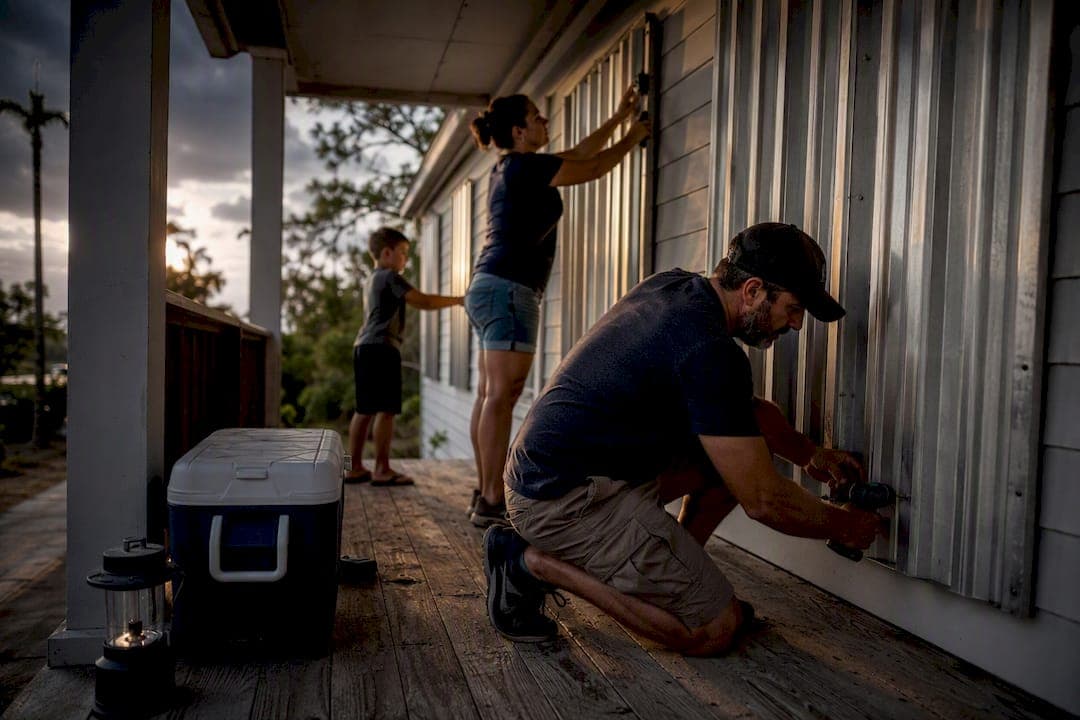
Additional Living Expenses Coverage: What Louisiana Needs
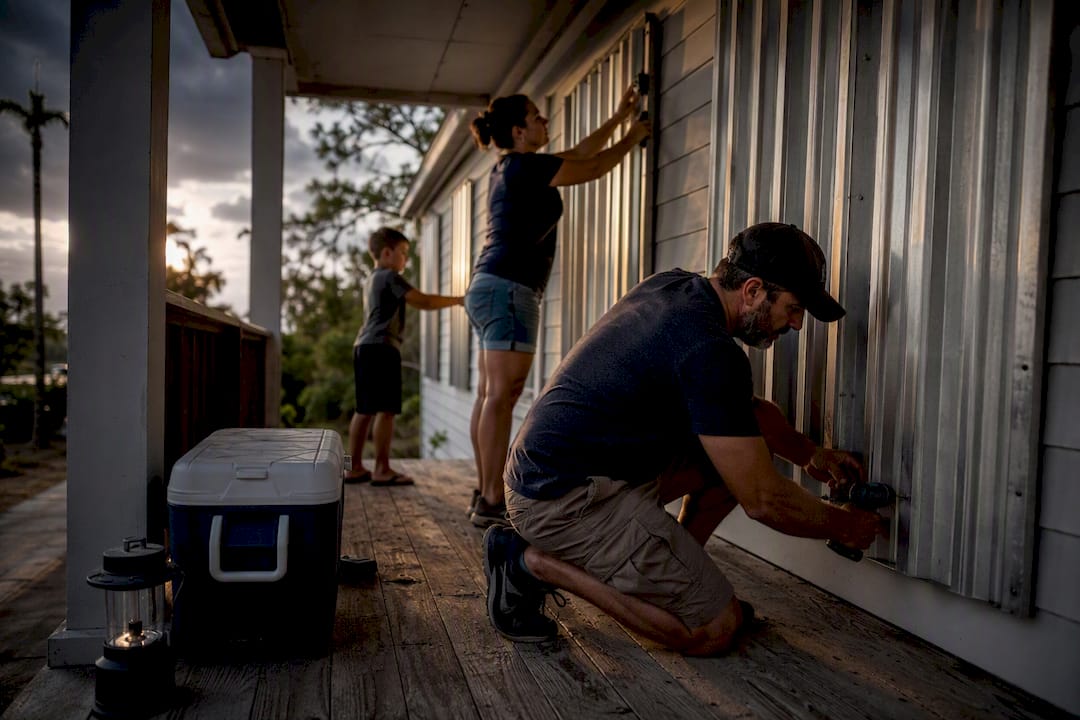
Additional living expenses coverage pays the extra costs you rack up when a covered loss makes your home unlivable. If a hurricane, fire, or fallen tree forces you out and repairs take months, ALE covers the gap between what you normally spend and what displacement costs you: hotel bills, restaurant meals, extra gas, storage fees. It reimburses the difference, not your entire life. If your grocery bill was $800 a month and eating out during displacement runs $1,400, ALE typically pays the $600 gap, not the whole tab, according to the National Association of Insurance Commissioners.
Do three things right now if you’re facing displacement or want to be ready before the next storm:
- Call your agent or adjuster before you spend a dime, and get written confirmation of what’s covered.
- Keep every receipt. Hotels, restaurants, laundromats, pet boarding. All of it.
- Pull three to six months of bank and credit card statements now, while your home is still standing, so you have a clean baseline to compare against later.
Pro Tip: Take photos of your bank statements or download PDFs tonight. After a storm, when the power’s out and you’re staying with relatives in Shreveport, digging through old mail for proof of normal spending is the last thing you’ll want to do.
Key Takeaways
Additional living expenses coverage reimburses only the gap between your normal cost of living and what displacement actually costs, subject to dollar and time limits.
| Point | Details |
|---|---|
| ALE covers the difference | It pays extra housing, food, and transportation costs above your normal spending, not your full bills. |
| Two conditions must apply | A covered peril must cause the damage, and your home must be uninhabitable or under evacuation order. |
| Flood and earthquake gaps exist | Standard policies and NFIP flood policies typically exclude ALE; ask about private flood coverage that includes it. |
| Limits are finite | Expect roughly 10% to 20% of dwelling coverage and a 12 to 24 month time cap, longer in declared emergencies. |
| Documentation wins claims | Keep receipts, build a pre-loss spending baseline, and submit expenses in batches. |
| The Root Agency reviews limits before disaster strikes | Steve Root’s team checks your ALE percentage and time cap against real Louisiana rebuild timelines, not just the default policy language. |
Table of Contents
- What Additional Living Expenses Coverage Actually Pays For
- When Does ALE Coverage Apply, and What Won’t It Pay For?
- How Much ALE Pays and for How Long
- Documenting and Filing an ALE Claim the Right Way
- Common Mistakes That Slow Down or Shrink Your ALE Payment
- Is ALE Coverage Taxable Income?
- When to Ask About Higher ALE Limits
- A Louisiana Agent’s View on ALE Claims
- How The Root Agency Helps You Get ALE Right Before You Need It
- Sources
What Additional Living Expenses Coverage Actually Pays For
ALE, sometimes called loss of use coverage or Coverage D on your policy, exists to keep your household running while your home gets rebuilt. It’s not a blank check for a nicer lifestyle. It’s designed to replace what you lost, dollar for dollar, within your policy’s limits.
Here’s what it typically covers:
- Temporary housing, whether that’s a hotel, extended-stay suite, or short-term rental
- The difference between your normal grocery bill and eating out
- Extra transportation costs, like a longer commute from your temporary address
- Storage fees for furniture and belongings
- Laundry or dry cleaning if your equipment is damaged
- Pet boarding
- Moving costs and furniture rental during the gap
Say your mortgage and utilities run $2,200 a month and a comparable short-term rental costs $2,800. ALE covers that $600 difference, not the full rental. Insure.com’s guide to ALE confirms this “difference” structure is standard across most homeowners, renters, and condo forms. The goal is to keep you in a place similar to your own home, not put you up somewhere nicer at the insurer’s expense.
When Does ALE Coverage Apply, and What Won’t It Pay For?
ALE only kicks in when two conditions line up. First, the damage has to come from a peril your policy actually covers. Second, your home has to be uninhabitable, or a civil authority has to order you out, like a mandatory evacuation ahead of a hurricane.
“Uninhabitable” is broader than most people assume. It can mean no running water, no electricity, toxic smoke residue from a nearby fire, or a government evacuation order even if your house itself is untouched. An adjuster or building inspector usually makes that call and documents it for your file.
Where Louisiana homeowners get burned is assuming ALE covers every disaster. It doesn’t.
Standard homeowners policies exclude flood and earthquake damage entirely, and the National Flood Insurance Program’s standard policy does not cover temporary housing or ALE at all. Some private flood policies do include it, but you have to ask specifically, according to LegalClarity’s breakdown of ALE exclusions.
Given how often flooding drives evacuations here, that gap matters. If you’re in a flood-prone parish, it’s worth reviewing your flood insurance options alongside your homeowners policy, not after the water’s already in your living room.
How Much ALE Pays and for How Long
ALE isn’t unlimited, and every policy caps it two ways: a dollar limit and a time limit.
- Dollar caps. Most policies set ALE at somewhere between 10% and 20% of your dwelling coverage, though the exact percentage depends on your policy type. If your dwelling coverage is $300,000 and your ALE cap is 20%, that’s $60,000 to work with, which sounds like a lot until you’re six months into hotel bills after a major storm.
- Time caps. Insurers usually pay ALE for the “period of restoration,” commonly 12 to 24 months, per Insure. California has extended that window statutorily to at least 24 months after a declared state of emergency, showing that state rules can stretch these timelines further than the base policy language suggests, per the California Department of Insurance.
- Fair rental value, for landlords. This is a different coverage entirely. It replaces lost rental income, not your tenant’s temporary housing costs.
Extended ALE endorsements exist for homeowners who want more cushion than the standard limit provides, for an added premium.
Documenting and Filing an ALE Claim the Right Way
Getting reimbursed quickly comes down to sequencing. Do things in the wrong order and you’ll spend weeks untangling paperwork instead of collecting a check.
- Report the loss to your insurer as soon as it’s safe to do so.
- Confirm ALE applies and ask exactly what documentation they’ll require before you spend anything.
- Keep every receipt and invoice, no exceptions.
- Gather your pre-loss bank and credit card statements to establish your normal spending baseline.
- Submit expenses in batches as you incur them, rather than saving everything for one massive submission at the end.
A simple spreadsheet keeps this organized: columns for date, vendor, amount, category (housing, meals, transportation), your normal baseline amount for that category, and the difference you’re claiming. That last column is the number your adjuster actually needs.
- Log every expense the same day if you can, while the receipt’s still in your hand.
- Ask your adjuster whether they’ll issue an advance payment or pay a landlord directly for a long-term rental, which prevents a cash crunch while you wait on reimbursement.
- Keep a running log or spreadsheet noting dates and reasons for each expense.
Pro Tip: If you’re staying with family instead of paying for a hotel, some policies still allow a reasonable reimbursement for that. Ask your adjuster before assuming you’re not owed anything just because you didn’t pay a stranger.
Common Mistakes That Slow Down or Shrink Your ALE Payment
Small missteps cause big delays. Watch for these:
- Spending before confirming coverage. Call your agent first and get it in writing.
- Missing receipts. No paper trail, no reimbursement.
- No pre-loss baseline. Without it, the adjuster can’t calculate the “difference” ALE is built to cover.
- Booking luxury lodging. ALE matches your normal standard of living, not an upgrade.
- Mixing in non-covered upgrades. Keep unrelated purchases off your ALE claim entirely.
Is ALE Coverage Taxable Income?
Generally, no. ALE reimbursements that match your documented increased costs are treated as reimbursements, not income, so they’re not taxable.
IRS Publication 547 notes that payments exceeding your documented increased expenses can become taxable, unless they follow a federally declared disaster, in which case that excess typically stays non-taxable, according to LegalClarity’s tax guidance summary.
Example: if your documented extra costs total $8,000 and your insurer pays exactly $8,000, none of it is taxable. If they pay $9,500 outside a declared disaster, that extra $1,500 may be.
When to Ask About Higher ALE Limits
Standard ALE limits work for most claims, but not all. Consider asking your agent about raising your limit or adding an extended-time endorsement if:
- You live in a hurricane or wildfire-prone area where rebuilding timelines regularly stretch past a year.
- Local rental markets are expensive relative to your mortgage payment.
- You own a higher-value home where 20% of dwelling coverage might not stretch across six to twelve months of displacement.
Three questions worth asking directly: Will your current limit realistically cover six to twelve months in your area? What’s your insurer’s stated period of restoration? And what does extended ALE cost as an add-on?
A Louisiana Agent’s View on ALE Claims
Twenty years of writing policies in this state has taught Steve Root that ALE is where underinsured families feel the pain first, long before repair costs even enter the picture. The Root Agency’s mobile catastrophe unit shows up in person after storms, with hands-on claims support and bilingual service, because paperwork shouldn’t be the thing standing between a family and a place to sleep.

How The Root Agency Helps You Get ALE Right Before You Need It
The Root Agency reviews your ALE limits line by line, before a storm forces the question, not after you’re already sitting in a hotel wondering what your policy actually covers. That’s the real difference between a policy you bought once and a policy someone actually checked.
With 356 Google reviews at 4.9 stars and a mobile catastrophe response unit that deploys directly to disaster zones, this agency doesn’t disappear when the claim gets complicated. Steve Root’s team offers 24/7 claims support and bilingual service in English and Spanish, so you’re never waiting on hold while your family needs answers. If you’re not sure your dwelling coverage and ALE percentage actually match what a rebuild in your parish would cost, request a home insurance policy review or call (225) 926-0160. If flooding is part of your risk picture, ask about flood coverage at the same time. It’s one conversation, and it’s worth having before hurricane season, not during it.
Sources
- What Are Additional Living Expenses and How Can Insurance Help?
- What Are Additional Living Expenses on Homeowners Insurance? - LegalClarity
- Insure
- What Is Additional Living Expense (ALE) Insurance? - Investopedia
- Insurance coverage for additional living expenses if the home is not habitable due to a wildfire
This article is general information, not a substitute for advice from a qualified financial advisor. Consult a qualified financial professional about your own circumstances before acting on anything here.